October 09, 2026



The lorry used to come on Tuesday. Now it rumbles down the street on Thursday, the recycling goes out on a different week than it did last year, and there is a small caddy in the kitchen that nobody quite knows how to use. If that sounds familiar, you are one of many households getting to grips with updated waste and recycling collections.
None of it is designed to catch you out. Councils are under pressure to recycle more, send less to landfill and run rounds more efficiently. But the practical details — which bin, which week, which day — take a bit of learning. Get them right and the whole thing becomes routine within a fortnight.
The specifics vary from council to council, so treat anything you read online as a starting point rather than gospel. Your own authority's bin checker or collection calendar is the only version that counts. That said, the same handful of changes is cropping up almost everywhere:
Most mistakes come from guesswork. A quick rule of thumb: if an item is clean and made of a single common material, it usually belongs in recycling. If it is dirty, mixed or disposable, it usually does not.
Paper and card, newspaper, junk mail, flattened cardboard boxes, plastic bottles with the lids on, pots, tubs and trays, drinks cans, food tins, foil, aerosols and cartons. Everything should be empty, rinsed and dry. Do not bag it — loose items sort better at the plant.
Cooked and raw food, peelings, plate scrapings, tea bags, coffee grounds, bones and dairy. Most councils accept compostable liners that carry the right certification, but not ordinary plastic carrier bags, which defeat the purpose.
Nappies, pet waste and cat litter, polystyrene, broken crockery, used kitchen roll, crisp packets where there is no soft plastic collection, and anything heavily contaminated with food. This is the bin to keep spare space in.
Grass cuttings, hedge trimmings, leaves and small branches. No soil, rubble, plastic plant pots or bags of any kind unless your council says otherwise.
Some areas take glass in a separate box rather than mixed recycling. Drinking glasses, mirrors and Pyrex do not belong in either — they melt at different temperatures and spoil the batch.
A few offenders come up again and again at the kerbside:
One wrong item does more damage than most people realise. Liquid left in a bottle soaks through a load of paper and card, ruining the whole batch. A lithium battery can set a lorry alight. A bin full of nappies hidden under a layer of cardboard can see an entire vehicle's contents rejected and sent for disposal instead of recycling.
That is the reasoning behind the sticker-and-warning approach. If your bin is not emptied, there is usually a notice attached telling you exactly what was wrong. Fix it and it will normally be collected on the next round.
Most councils start with education, not punishment. A hanger on the bin, then a letter, then a conversation. Repeat problems are treated more seriously, and fixed penalty notices can apply to certain waste offences — fly-tipping, for example, or putting business waste in a household bin. The amounts and the rules vary by council, so check your authority's published policy rather than relying on what a neighbour says.
There is one point worth knowing properly: if you pay someone to take rubbish away, you are responsible for what happens to it. Unlicensed collectors who dump waste in a lay-by can leave the household that hired them facing a fine. Ask to see a waste carrier's licence, get a receipt, and be wary of anyone who offers to take a vanload away for cash and no paperwork.
Do not struggle quietly. Councils can arrange assisted collections for people who cannot move bins to the kerbside, and extra capacity or alternative arrangements are often available for larger families, households with young children, or anyone producing medical or clinical waste. Missed collections can be reported online and are usually picked up within a few days. Ask before you improvise with extra bags, which are often left behind.
Bin day is one of those quiet rituals nobody thinks about until it changes. Once you know your day, your week and your bin, it takes a couple of minutes a week — and rather less than that to avoid a sticker on the lid.
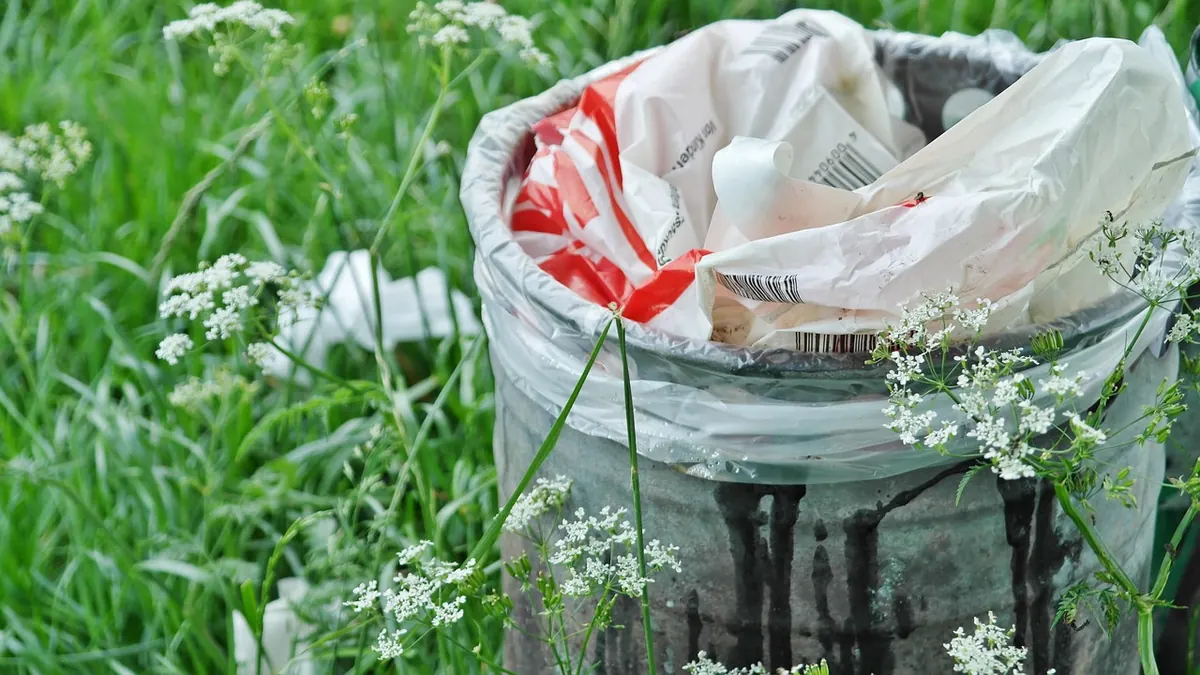
Photo: RitaE / Pixabay
Local news and stories from the Cairn community.
Copyright © 2026 Cairn Times. All rights reserved. Cairn Times.